
Skill Progression: What classes to take after Advanced Open Water Certification.
Mackenzie Stewart Nov 21, 2026
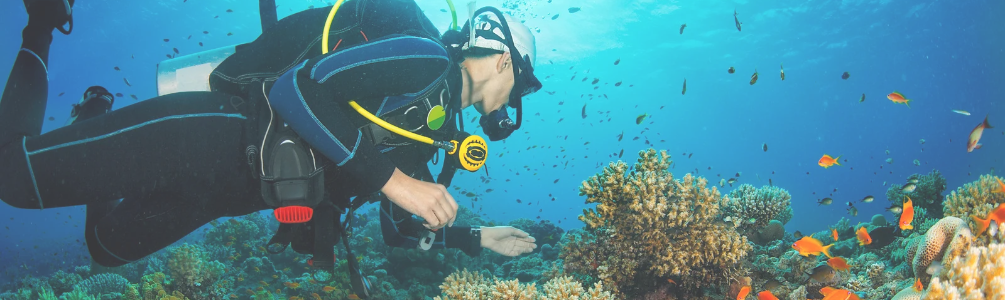
Congrats! You've completed your Advanced Open Water certification! Now what?
Completing your Advanced Open Water certification opens up a whole new array of diving opportunities. You can dive more locations, dive deeper, and now meet prerequisites for many specialty courses. How do you choose what to do next?
Go dive!
As much as we love when students decide to pursue more dive skills, we also want new course graduates to take their time and enjoy diving! Yes, more skills can build confidence, but so does diving regularly. If you've just completed your AOW course, take a pause and simply have fun diving. More importantly, spend time practicing the skills you learned in your course. Taking time between courses can also help you identify what skills you want to progress on, set new dive goals, or inform decisions on purchasing your own dive gear.
Round out foundational skills with a Rescue course.
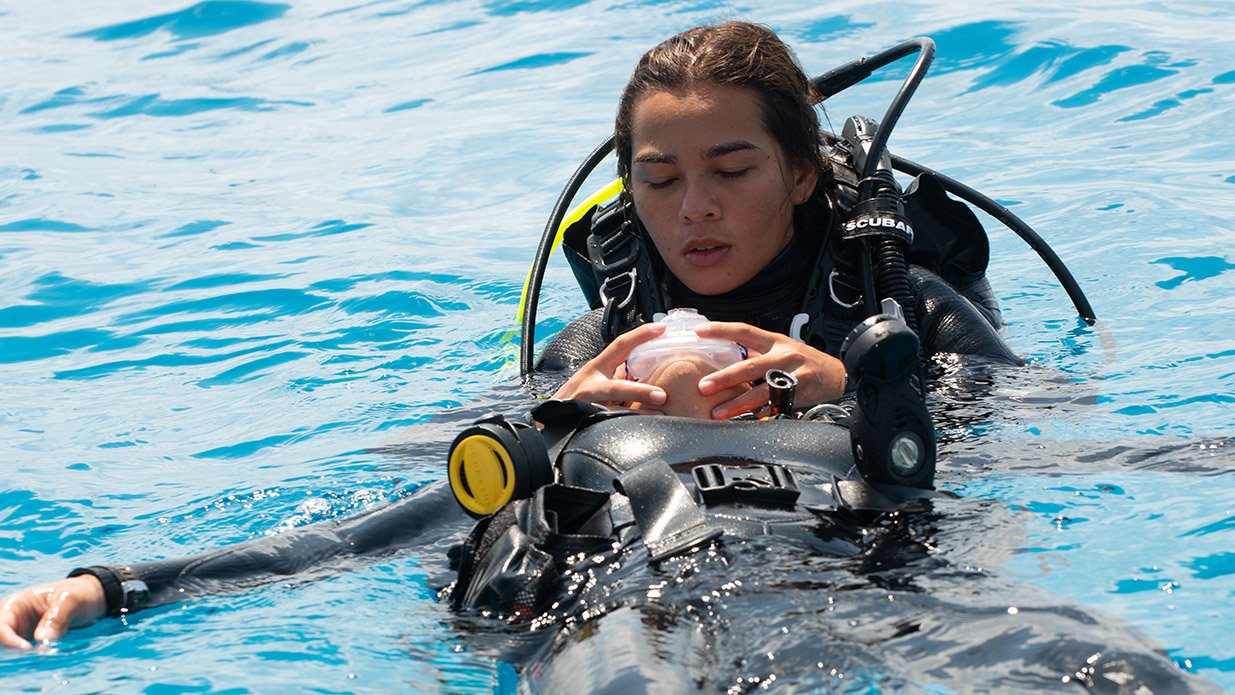
There is no set skill progression once you have your AOW. You now have access to a plethora of specialty courses and there's typically not a linear path to taking them. However, here at 3rd Reef we believe every diver should be confident in their skills and in their ability to look out for other divers. This is why we highly recommend AOW divers take a Rescue course. This is a course that will teach divers how to assess emergencies underwater, how to prevent and manage problems, and advanced self-rescue skills. Open Water and Advanced Open Water certifications are to ensure you, as an individual, are a competent diver. Rescue certification shifts your attention outward, bringing awareness to external factors that can influence your dive and fellow divers. If you want to become the diver everyone wants as their dive buddy, this is the course that gets you there.
Consider dive and travel goals.
But you have both your Advanced Open Water and Rescue certification? Well okay then you over achiever. If you already have these courses under your belt, your skill progression is really based on what/where you want to dive or what skills you want to develop. If you want to join us for B-29 dives in 2027 we require AOW, Nitrox, and recommend drysuit so those would be the specialties to focus on. Do you want to dive the U.S.S United States? Then you should look at things like Wreck Diver certification or courses that focus on buoyancy control. Do you want to lengthen your dive season or are you hoping to dive colder locations? Then drysuit and full-face certification are your next steps. Research your dream destinations and take courses that align with their dive conditions.
You also have options for classes that don't require diving. Equipment specialist courses will give you an in-depth look at dive equipment, how it works, features, and how they impact your dive. It's a great class to gain deeper knowledge of gear and what to look for should you ever want to invest in your own kit. A note that this course does not certify you to repair your own gear. That should always be done by a certified repair technician to avoid voiding warranties and to ensure life-support devices are assembled correctly. Other no-dive required courses include Basic Life Support that covers first aid, CPR, emergency oxygen, or a Nitrox course.
Your skill progression is fully customizeable.
Your dive path is completely unique to you and your diving goals. While there are guidelines and prerequisites, how you progress and gain skills is completely up to you. There are many specialities that you have access to now! If you need help deciding what your next course will be or what courses to take based on your dive goals, our staff is ready to walk you through course options or recommendations based on dive locations.

